For transportation and logistics businesses, energy cost is one of the key factors that directly affect profitability and operating costs, especially as diesel prices remain volatile and difficult to control. As a result, many businesses are increasingly looking for ways to manage long-term energy costs more effectively. One approach gaining attention is the adoption of electric heavy-duty vehicles, including 6–10 wheel trucks and electric tractor trucks, or EV Trucks, in transportation operations.
Beyond cost considerations, environmental factors are also playing a greater role. Many corporate customers are placing more importance on Green Logistics and ESG goals, making EV Fleet adoption another option that businesses are actively studying and evaluating for cost-effectiveness.
However, before transitioning to electric heavy-duty vehicles, there are several important questions that operators need to consider. Are EV Trucks truly more cost-efficient than diesel trucks? How much do EV Truck charging costs differ from fuel costs? And should businesses rely on public charging stations or install on-site charging infrastructure within their own facilities?
This article will analyze real operating costs, including energy costs, maintenance expenses, and charging infrastructure considerations, to help transportation and logistics businesses assess cost-effectiveness and plan a suitable transition toward EV Fleet adoption.
EV Trucks and the Changing Cost Structure of Transport and Logistics Businesses
Electric heavy-duty vehicles, or EV trucks, are not just a newnew vehicle technology. They are increasingly becoming a strategic option for energy cost management in the logistics sector.
Today, the businesses most likely to adopt EV trucks are those with relatively predictable fleet operations—such as distribution centers, FMCG businesses, warehouses, and short- to medium-distance transport services—where routes and charging cycles can be planned in advance.
One reason EV trucks are attracting more attention is that electricity costs are generally easier to manage than diesel costs. Electricity prices tend to be less volatile than fuel prices, andprices and charging schedules can be planned ahead—especially when the business has its own onsite charging station.
For this reason, many organizations are beginning to view EV trucks not only as an environmental initiative, but also as a tool for managing energy costs and improving long-term predictability of fleet operating expenses.
How EV Trucks Are Reshaping the Cost Structure of Transportation and Logistics Businesses
Electric heavy-duty vehicles, or EV Trucks, are no longer just a new form of vehicle technology. They are increasingly becoming an alternative solution for managing energy costs in the logistics sector.
Today, businesses that have started adopting EV Trucks are often those with relatively predictable transportation patterns, such as distribution centers, FMCG businesses, warehouses, and short- to medium-distance logistics operations, as they can plan routes and charging schedules in advance. This predictable usage pattern makes electric heavy-duty vehicles an attractive option for managing energy costs, as businesses can control and plan electricity costs more effectively than relying on diesel fuel, especially when they have on-site charging stations within their own facilities.
As a result, many organizations are beginning to view EV Trucks not only as an environmental solution, but also as a practical tool for managing energy costs and improving the predictability of long-term fleet operating expenses.
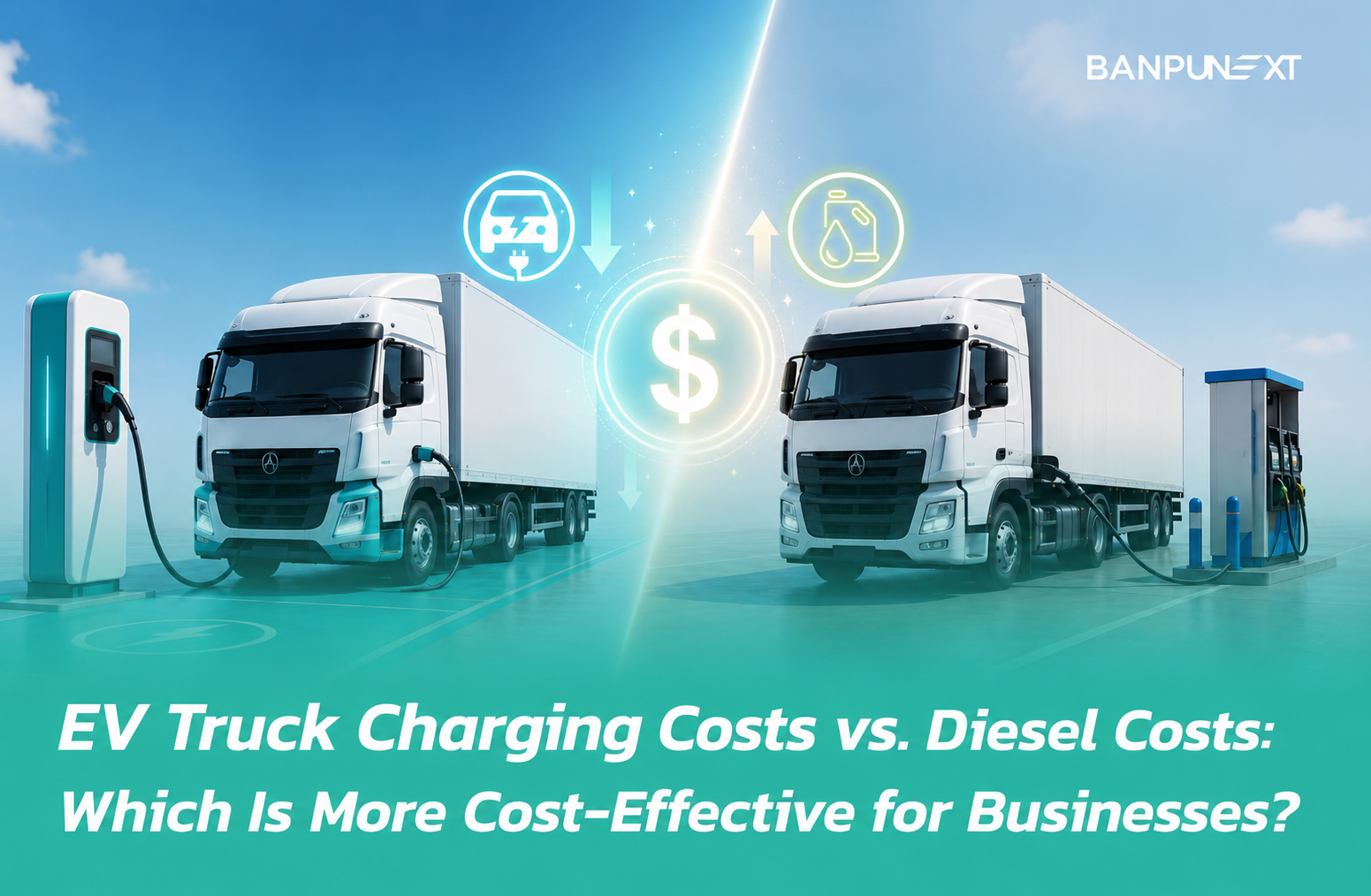
Comparing Diesel Fuel Costs and EV Truck Charging Costs (THB/km)
Diesel Truck Costs
The key cost components of diesel trucks in transportation and logistics businesses typically include fuel expenses, fuel consumption, and engine maintenance costs, especially for 10-wheel trucks or tractor trucks that are used intensively daily. These costs tend to increase depending on distance traveled and how the trucks are used.
In addition, diesel truck costs are directly affected by fuel price volatility, creating long-term cost management challenges for many transportation businesses. This is because changes in energy prices can have an immediate impact on operating costs.
EV Truck Charging Costs
For electric heavy-duty vehicles, or EV Trucks, the main energy cost shifts from fuel to electricity. This depends on several factors, such as electricity tariffs, whether charging takes place during On-Peak or Off-Peak hours, battery efficiency, and vehicle usage patterns.
If a business can schedule charging during Off-Peak hours or use a Time-of-Use (TOU) electricity structure at its own warehouse or distribution center, it may be able to reduce energy costs compared with diesel truck operations. This is one of the reasons EV Trucks are becoming increasingly attractive to transportation and logistics businesses.
Cost Comparison Table
| Item | Diesel Truck | EV Truck (Off-Peak) | EV Truck (On-Peak) |
| Energy Used | ~28.6 liters | ~120 kWh | ~120 kWh |
| Energy Cost | ~THB 915 | ~THB 300 | ~THB 540 |
| Cost per Kilometer | ~THB 9.15/km | ~THB 3.00/km | ~THB 5.40/km |
| Carbon Emissions | ~76.6 kg CO2/ 100km | ~54 kgCO2/ 100km | ~54 kgCO2/ 100km |
Note: The figures above are based on a simulated 100-kilometer scenario to compare energy costs between diesel trucks and electric trucks. The assumptions are based on average diesel prices in Thailand of approximately THB 40–41 per liter as of June 2026, and Time-of-Use (TOU) electricity rates for business customers (On-Peak: approximately THB 4.10–4.18/kWh and Off-Peak: approximately THB 2.58–2.60/kWh). Actual costs and savings may vary depending on driving behavior, payload, and route conditions for each business.
As the table shows, using EV trucks together with charging plans during Off-Peak hours can significantly reduce energy cost per kilometer compared with diesel trucks under the stated assumptions. In addition, EV trucks can help support an organization’s greenhouse gas reduction goals.
Another Key Factor Affecting Long-Term Cost Is Maintenance
The cost structure of a transport business does not consist of fuel or electricity costs alone. It also includes maintenance costs, which are incurred throughout the vehicle’s operating life.
- Diesel Trucks
Diesel trucks have relatively complex engine and drivetrain systems, which result in multiple maintenance expenses such as engine oil changes, filters, transmission servicing, cooling system maintenance, and replacement of wear-and-tear parts over time.
- EV Trucks
Electric heavy-duty vehicles are powered by electric motors and batteries, which generally involve fewer moving parts than internal combustion engine vehicles. As a result, certain maintenance requirements may be reduced, although actual maintenance needs still depend on usage patterns, route conditions, and payload.
Switching to an EV fleet therefore does not only help reduce energy costs. It can also reduce maintenance complexity and lower the risk of vehicle downtime caused by technical issues—another factor that supports more efficient long-term fleet management.
EV Truck Charging Infrastructure Is at the Core of the EV Fleet Transition
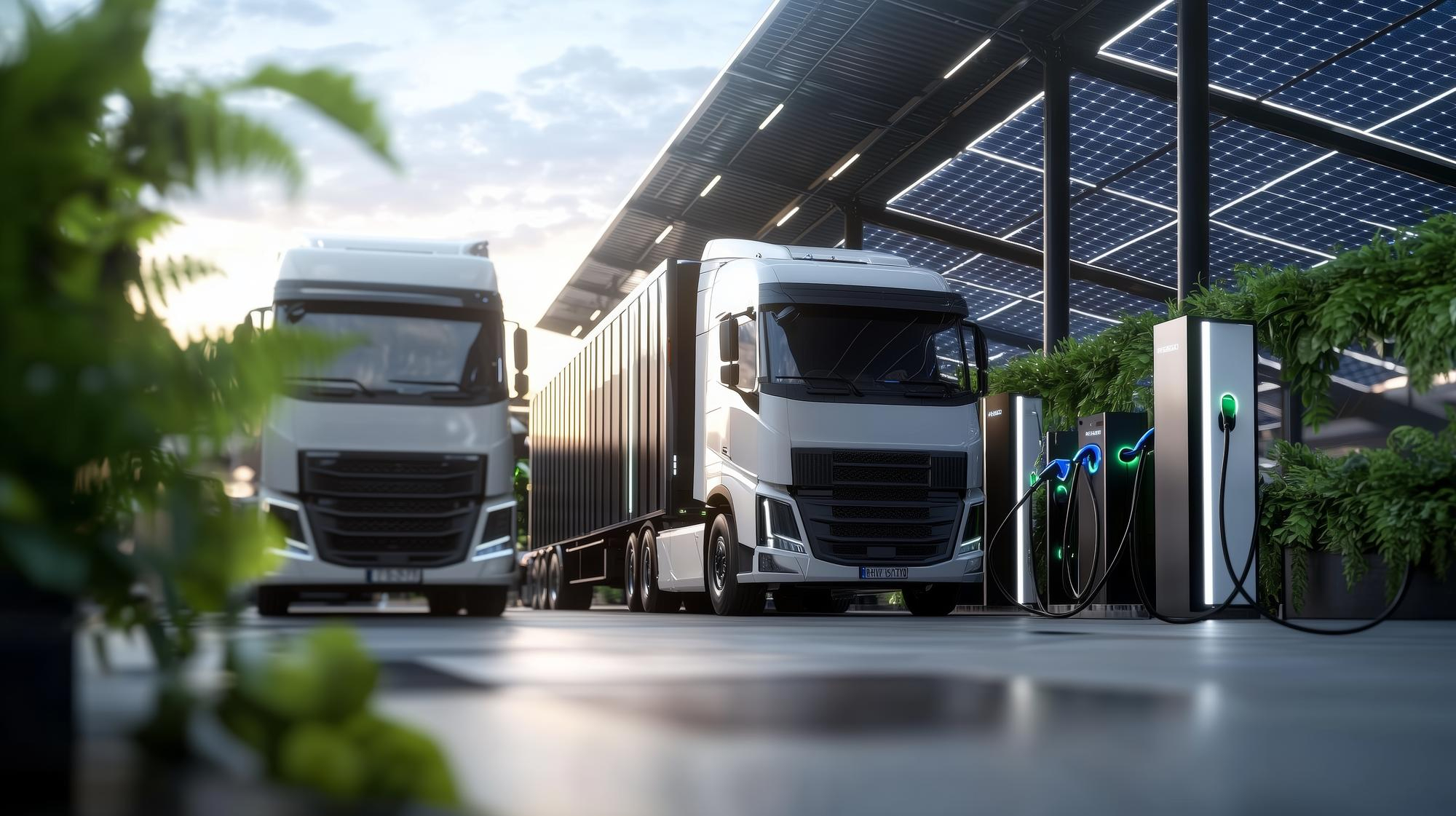
Although EV trucks have strong potential to reduce energy costs, long-term cost-effectiveness does not depend on the vehicle alone. Charging infrastructure and energy planning are equally important factors that affect the operational efficiency of an EV fleet. Without proper planning, businesses may face limitations related to charging time, charger availability, or higher-than-expected energy costs.
Where Can Businesses Charge EV Trucks?
At present, there are two main charging models for commercial EVs and large EV trucks in Thailand, each with its own advantages and limitations depending on fleet usage patterns.
- Public Charging Stations
Public charging stations are suitable for businesses operating long-distance routes or those that need charging along the route. They provide greater flexibility, although charging costs and waiting times may vary depending on location and time of day.
- On-Site Charging at Business Premises
On-site charging is suitable for businesses with more predictable fleet operations, such as warehouses, distribution centers, or companies whose vehicles regularly return to base. This model makes it easier to plan charging schedules and manage energy costs, especially when combined with Time-of-Use (TOU) electricity pricing.
Banpu NEXT Provides End-to-End Fleet Charging Solutions
Banpu NEXT offers comprehensive Net Zero Solutions to help organizations manage energy more efficiently, reduce energy costs, lower greenhouse gas emissions, and support long-term business sustainability goals.
Recognizing that each business faces different challenges, Banpu NEXT provides services ranging from consultation and energy usage analysis to solution design and the implementation of energy technologies. These include Net Zero Consultation, carbon reduction solutions such as various Solar Solutions, Energy Storage Systems (ESS), Energy Management Systems, and e-Mobility solutions.
For transport and logistics businesses, one of the key offerings is Fleet Charging Solutions, designed to support the transition to EV fleets. These services cover both On-Site Charging installations at business premises and Route Charging stations along transport routes.
Route Charging: supports charging along transportation routes for businesses operating long-distance routes, improving flexibility in EV fleet planning and enabling operations across a wider range of transport routes.
On-Site Charging: includes the design and installation of charging stations at the customer’s premises, allowing businesses to plan charging schedules and manage energy costs in a way that aligns with their operational model. Flexible investment options are also available depending on each organization’s needs.
Conclusion
The transition to electric heavy-duty vehicles is not only about switching energy sources from fuel to electricity. It also represents a long-term shift in the energy cost structure and operating model of transportation and logistics businesses. When considering energy costs, maintenance expenses, and proper charging system planning, electric heavy-duty vehicles can become a practical option that helps businesses manage costs more efficiently, while also responding to the growing role of energy and sustainability trends in the business sector.
However, the return on investment depends on several factors, such as vehicle usage patterns, driving distance, fleet size, and the selected charging infrastructure. Therefore, planning an EV Fleet and Fleet Charging system that fits the specific needs of the business is an important factor in maximizing the efficiency of the transition to electric heavy-duty vehicles.
Contact us – Banpu NEXT
FAQ
Q1: Are EV trucks really more cost-efficient than diesel trucks?
A: In general, EV trucks have a lower energy cost per kilometer than diesel trucks, especially when charged during Off-Peak hours or through onsite charging stations at the businessbusiness premises. This can significantly reduce long-term energy costs.
Q2: How do EV trucks help reduce maintenance costs?
A: Electric trucks have a simpler powertrain than internal combustion engine vehicles, reducing the number of components that require maintenance, such as engine oil, transmission systems, and exhaust systems. This can lower maintenance costs and reduce vehicle downtime in logistics operations.
Q3: If a business wants to plan an EV truck charging system, where should it start?
A: The first step is to analyze fleet usage patterns, such as driving distance, number of vehicles, and operating hours, in order to choose the most suitable charging structure—whether Route Charging, On-Site Charging, or a combination of both.
Banpu NEXT provides end-to-end Fleet Charging Solutions that support both charging models, helping businesses manage costs and operate EV fleets more efficiently.