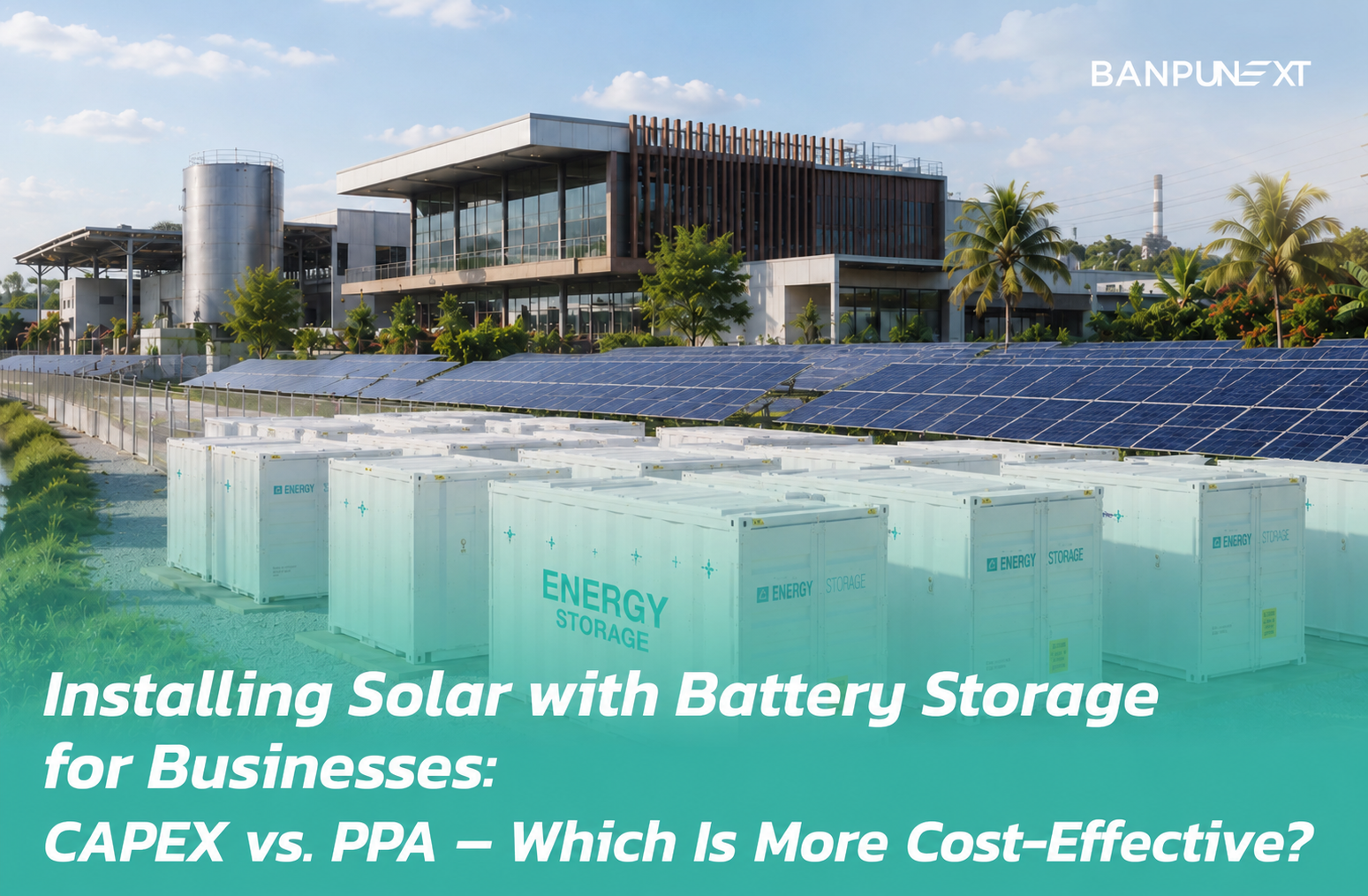
When a business decides to install solar panels together with an Energy Storage System (ESS), the key question is not “Should we install it?” but rather “Which investment model should we choose?” Some organizations choose to invest in the entire system under a CAPEX (Capital Expenditure) model to secure system ownership and maximize long-term returns. Others choose a provider-funded model through a Power Purchase Agreement (PPA) to start managing energy costs without making a large upfront investment.
Both models have different advantages, limitations, and use cases, depending on each organization’s business goals, budget, and energy management strategy. This article compares the differences between CAPEX and PPA to help businesses choose the approach that best fits their operations and long-term objectives.
CAPEX (Capital Expenditure): Self-Investment in Long-Term Value and BOI Tax Incentives
CAPEX is an investment model in which the business owner directly invests in the purchase and installation of a solar system together with an Energy Storage System (ESS). This model is suitable for organizations with available investment budgets that want to own the energy system from the beginning and fully manage both energy usage and investment returns.
Advantages of CAPEX model
- Full Ownership from day one
The business owns all equipment and systems from the start. This allows the organization to manage its energy usage independently and benefit from the electricity generated throughout the project’s lifetime. - Eligibility for BOI tax incentives
For eligible projects, businesses may receive corporate income tax exemptions of up to 50% of the investment value, subject to BOI criteria. This can increase project value and potentially shorten the payback period.
Limitations of CAPEX model
- High upfront investment
Businesses need to allocate budget for equipment, installation, and related costs from the beginning of the project - Requires long-term system maintenance planning
Although the system has a long operating life, businesses should plan for maintenance and allocate budget for ongoing system care to maintain long-term performance.
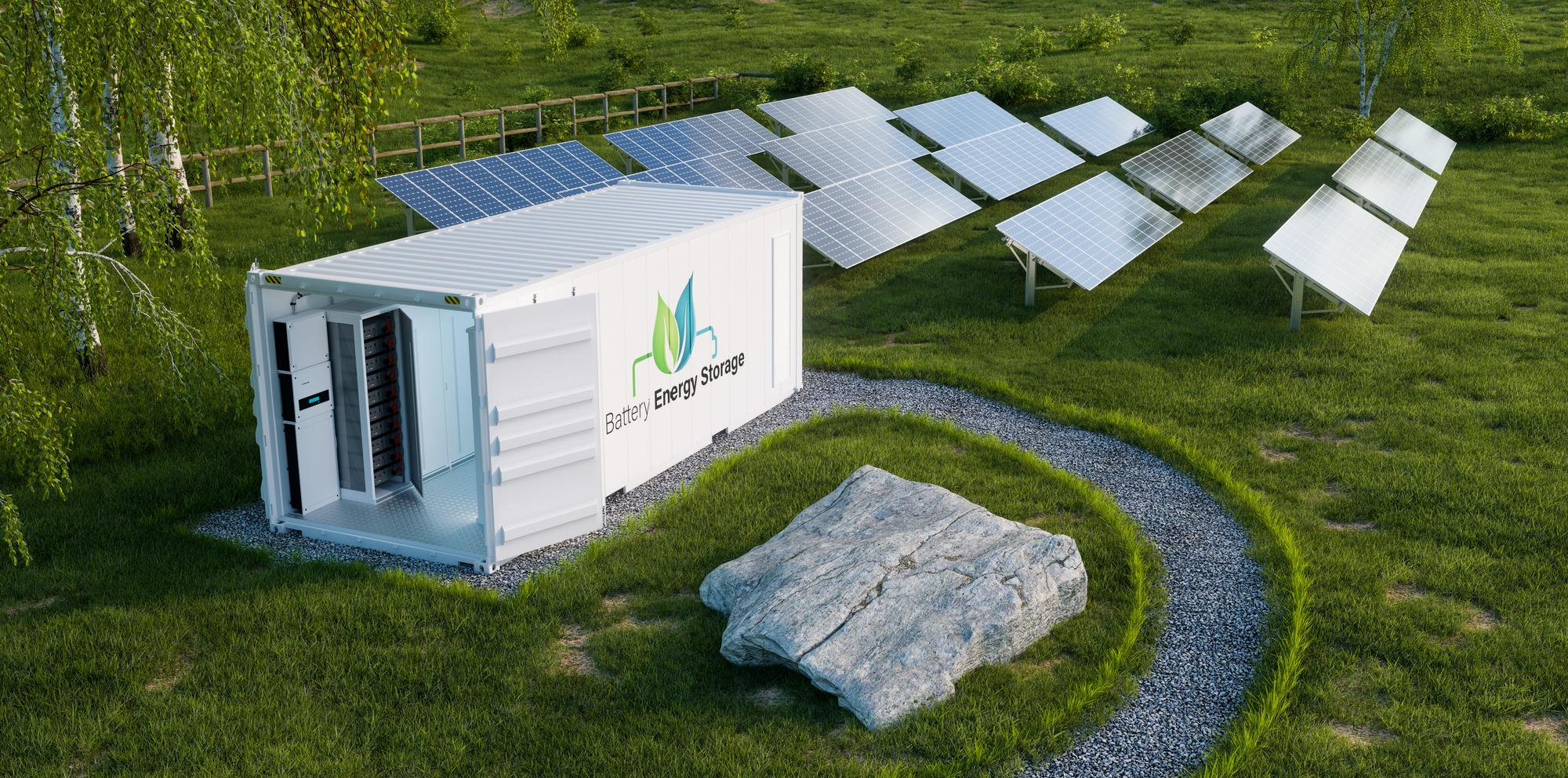
PPA (Power Purchase Agreement): Install Solar with Battery Storage at Zero Upfront Cost, Funded by a Provider
Under a PPA model, the Solar and Battery solution provider designs, installs, and invests in the solar power system and energy storage system on behalf of the business. The business can then use the electricity generated by the system under a Power Purchase Agreement without making a large upfront investment.
Advantages of PPA model
- Zero upfront investment required
Businesses can start using clean energy without paying for equipment or installation costs. This helps preserve cash flow and allows capital to be allocated to core business operations. - Energy cost management from day one
Businesses can use electricity generated by the system at an agreed rate under the contract, improving the ability to plan and manage long-term energy costs. - Comprehensive after-sale service support throughout the contract
The provider is responsible for system operation, maintenance, and performance monitoring according to the agreed terms, reducing the management burden for the organization.
Limitations of PPA model
- No immediate system ownership
System ownership depends on the contract terms between the investor and the client. Ownership transfer conditions at the end of the contract may vary by project. - Allocation of certain benefits to the system provider
Tax benefits, carbon credits, or other investment-related rights may depend on the investment structure and contract terms. For example, carbon credit ownership often belongs to the party that invests in and installs the system. Therefore, under a PPA contract, the user may not directly receive these benefits.
CAPEX vs. PPA Comparison Table: Which Model Should You Choose?
| Comparison Criteria | CAPEX (Self-Investment) | PPA (Provider-Funded Model) |
| Upfront Investment | Funded by the organization’s own investment budget | Zero upfront investment required |
| System Ownership | The business owns the system from the beginning | Ownership depends on the terms of the contract |
| Operations & Maintenance (O&M) | Based on the O&M service scope agreed with the provider | The provider manages the system under the contract terms throughout the agreement period |
| Investment Incentives | May be eligible for BOI incentives if the project meets the criteria | Depends on the investment structure and contract terms |
| Best Suited For | Businesses with capital investment capability that prefer to own their assets | Businesses that want to preserve cash flow and reduce upfront investment burden |
Checklist: How to Choose the Right Solar and Battery Installation Partner to Maximize Business Value
Installing solar systems together with batteries for business is a long-term investment with a lifespan of more than 20 years. Therefore, choosing the right partner is not just about finding an installer with an attractive price, but selecting one that can design a system tailored to your business’s energy usage profile, while also providing ongoing support and maintenance throughout the project lifecycle. This ensures the investment delivers maximum value in both cost savings and long-term energy management.
Experience and Safety Standards: Evaluating Past Project Success
Businessess should select a partner with proven experience in solar and battery solutions for factories, backed by a strong track record of real industrial installations. This partner must demonstrate recognized engineering and safety standards, while using high-performance technologies and equipment including solar panels, battery energy storage systems, inverters, and intelligent energy management systems. These factors help improve energy efficiency, strengthen system stability, and support long-term business growth.
Smart Technology: Evaluating Real-Time Monitoring Capabilities
A reliable partner should come with modern energy management technology. Businesses should assess whether the provider offers a digital platform capable of analyzing and monitoring electricity generation and factory energy usage in real time. Accurate real-time data can help management teams plan load reduction strategies, including peak load management.
In addition, businesses should look for a provider with a centralized platform that consolidates all energy-related data in one place, including solar power generation, battery storage status, and factory energy consumption, battery storage status, or factory energy consumption—so the system can be managed more conveniently and comprehensively through a single interface.
Long-Term Stability: Will the Partner Support You Throughout the Contract Term (10–20 Years)?
Since solar and battery projects for factories are long-term investments with contract periods and service commitments that may last 10–20 years, it is important to choose a partner with strong financial stability and a solid business foundation. This helps ensure continuous O&M support throughout the project lifecycle, including system performance monitoring, preventive maintenance, solar panel cleaning, and technical support—whether the project is structured under a PPA or CAPEX model.
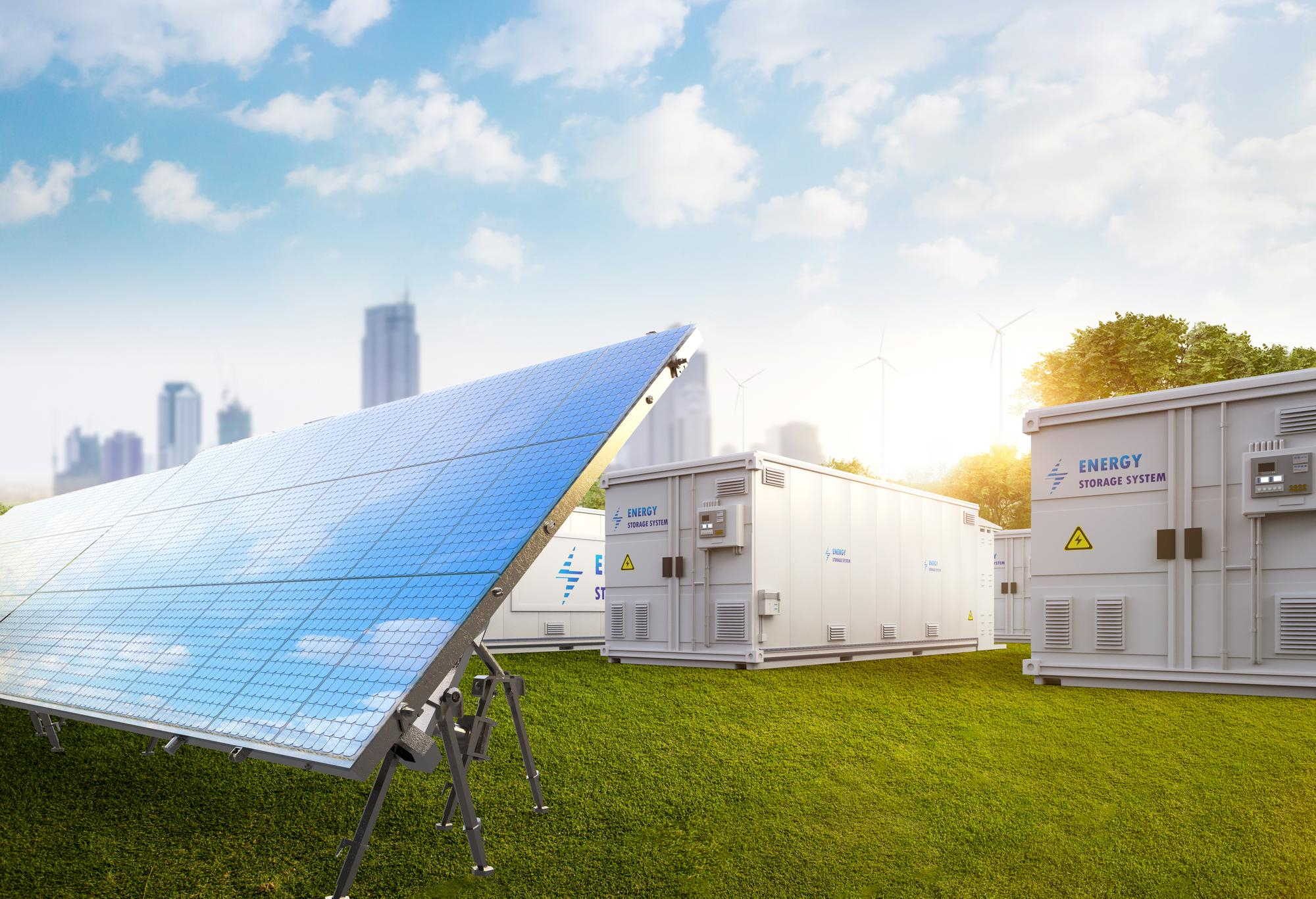
Banpu NEXT: Empowering Solar and Battery Storage Investments Across CAPEX and PPA Models
Banpu NEXT helps businesses adopt clean energy more easily through end-to-end solar and battery installation services that support both self-investment (CAPEX) and provider-funded models (PPA). Whether businesses are looking to reduce electricity bills, lower energy costs, or move toward Net Zero goals, Banpu NEXT offers tailored solutions aligned with organizational budgets and organizational objectives.
With deep expertise in energy systems for commercial and industrial sectors (C&I), Banpu NEXT can design customized solutions for each organization by analyzing actual energy usage patterns to determine the most suitable system size and technology. Combined with a network of global battery and energy technology partners, this helps ensure system efficiency and maximize investment value.
In addition, Banpu NEXT provides monitoring through mobile applications and intregrated dashboards, allowing businesses to track electricity generation, energy cost savings, and system performance in real time. Supported by a team of specialists available 24/7 for consultation and ongoing technical support, businesses can maximize the long-term benefits of their energy investment while reducing concerns about system management throughout its operating life.
Conclusion
There is no single best answer when choosing between CAPEX and PPA models, because every business has different goals, budgets, and energy management strategies. If an organization wants to own the system and has the financial readiness to invest, CAPEX may be the right fit. But if the goal is to reduce upfront investment and preserve financial liquidity, PPA may be the more suitable option.
What matters most is not only choosing the right investment model but selecting a partner who can analyze energy usage patterns, design a system aligned with business needs, and support the project throughout its full lifecycle. This enables an energy investment to create value not only through cost management, but also through operational efficiency and long-term sustainability goals.
Banpu NEXT is ready to support businesses with comprehensive Net Zero solutions, including solar power systems and Energy Storage Systems (ESS), under both CAPEX and PPA models, enabling organizations to confidently choose the investment approach that best fits their business goals and future growth plans.
Contact us – Banpu NEXT
Calculate solar installation – Banpu NEXT
FAQ
Q1: How long is a provider-funded solar and battery storage installation contract under a PPA model?
A: In general, PPA contracts typically run for around 10–20 years, depending on project size, energy usage patterns, and mutually agreed terms. Ownership transfer at the end of the contract will depend on the specific conditions of each project.
Q2: If a business chooses a self-investment (CAPEX) model for solar and battery storage installation, what BOI benefits may be available?
A: For eligible projects, businesses may receive corporate income tax exemptions of up to 50% of the investment value, subject to BOI criteria and conditions. This can enhance the project’s financial attractiveness and potentially shorten the payback period.
Q3: Which businesses are best suited for a solar and battery storage PPA model?
A: A PPA model is well-suited for organizations that want to reduce upfront investment, preserve financial liquidity, and have the provider handle system operation and maintenance. Under this model, the business can use electricity generated by the system through a power purchase agreement based on mutually agreed terms.
Q4: Why choose Banpu NEXT for solar and battery storage installation?
A: Banpu NEXT is a long-term partner with end-to-end expertise in solar and battery storage solutions, spanning system design, installation, ongoing maintenance, and efficient energy management. With digital technologies that enable 24/7 system monitoring and flexible investment models under both CAPEX and PPA, Banpu NEXT helps businesses reduce energy costs and move confidently toward their Net Zero goals over the long term.