As the world places greater importance on reducing carbon emissions, “Net Zero” is no longer just an environmental trend. It is becoming a key factor that directly affects a business’s future competitiveness.
Expectations from business partners, investors, and environmental regulations in many countries are pushing organizations to find more concrete ways to reduce greenhouse gas emissions. As a result, many businesses are turning to clean energy while improving operational efficiency and developing ESG strategies to support long-term sustainability and business growth.
This article will help you understand what Net Zero means, the right way to get started, and how to choose the right solutions and partners for your business.
The Starting Point of Net Zero Is Not Just “Solutions,” but “Understanding the Energy System”
Many organizations begin their Net Zero journey by looking for technologies or solutions first, while their energy data and carbon emission sources may not yet be fully analyzed. This makes it difficult for businesses to see the bigger picture of energy consumption and carbon reduction opportunities.
An effective Net Zero strategy should therefore begin with “data” rather than “equipment.” Once an organization clearly understands how energy is used within the organization, it can make better investment and solution decisions.
- Understand energy consumption within the organization
Organizations should know where energy is used the most when peak energy usage occurs, and which systems or machines may not be operating at full efficiency. This information helps identify opportunities to reduce costs and improve energy efficiency more clearly.
- Understand internal carbon emission sources
Businesses should analyze the sources of greenhouse gas emissions within the organization, such as energy consumption, production processes, or transportation. This helps create a more suitable carbon reduction plan.
- Understand the energy cost structure
The transition to Net Zero is not only about reducing carbon emissions. It also involves managing energy costs and improving long-term operational efficiency. Businesses should therefore analyze their current energy cost structure in order to plan investments more appropriately and cost-effectively.
3 Key Steps Before Taking Action on Net Zero for Business
Before selecting technologies or making investments, businesses should prepare in three key areas to ensure that their Net Zero initiatives are effective and sustainable in the long term.
1) Visibility of Energy and Carbon Emission Data
The most important first step is to assess the organization’s carbon footprint. This helps identify which activities are the main sources of greenhouse gas emissions, whether from electricity use in office buildings, heat used in production processes, or fuel used in transportation.
Having clear visibility into actual carbon emission figures helps businesses set the right priorities and avoid unnecessary investment.
2) Opportunity Analysis for Carbon and Cost Reduction
Once key sources of carbon emissions have been identified, the next step is to analyze opportunities to reduce carbon emissions while improving energy efficiency and managing long-term costs.
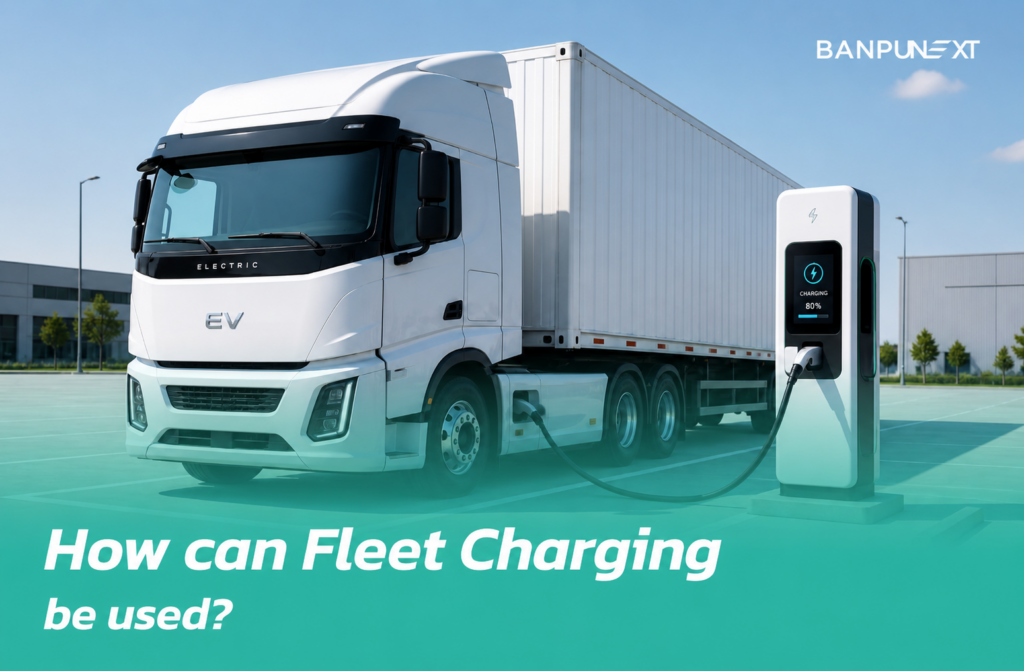
Examples include installing solar panels, improving machine efficiency, using energy management systems, or switching transportation fleets to EVs.
Businesses should plan both short-term projects that can deliver quick results, known as Quick Wins, and long-term plans for energy and operational transformation.
3) Organizational Readiness
Another key factor is organizational readiness, including the team, data systems, investment budget, expert partners, and the ability to manage and execute projects effectively. These elements are essential for continuously driving the organization toward its Net Zero goals.
Benefits of Having an End-to-End Net Zero Partner for Business
Driving an organization toward Net Zero is not only about installing technology or switching to clean energy. It also requires connecting energy data, investment, operations, and business goals together.
Having a partner with expertise in Net Zero and energy management helps organizations plan and execute more efficiently while reducing the complexity of long-term management.
1.Reduce investment risks
An experienced partner can help analyze an organization’s energy and carbon data to select the most suitable solutions for the business. This reduces the risk of investing in solutions that do not match the organization’s needs or installing systems that exceed what is necessary.
2.Accelerate implementation
Having a access to a team of experts and an integrated ecosystem allows organizations to move Net Zero projects forward faster, from planning and system installation to energy management, without having to start from zero.
3.Reduce costs while reducing carbon emissions
Effective Net Zero implementation does not only focus on reducing carbon emissions. It also helps improve energy efficiency and supports long-term business cost management.
An expert partner can help design solutions that fit the business model and create long-term value.
4.Provide continuous long-term support
The transition to Net Zero is a long-term process. Organizations should therefore have a partner that can provide continuous support, including performance monitoring, system maintenance, and consultation, helping the organization adapt and improve over time.
Banpu NEXT: A Partner Helping Businesses Move Toward Net Zero
Banpu NEXT provides Net Zero Solutions to support businesses in achieving their Net Zero goals through clean energy solutions and end-to-end energy management technologies.
Its services cover from Net Zero consultation and carbon footprint assessment to systematic energy planning and management. By leveraging digital platforms integrated with AI and smart technologies to monitor, analyze, and optimize energy usage across solar power systems and energy storage, energy efficiency management, and green transportation, these solutions help reduce carbon emissions and enable organizations to transition toward clean energy in a structured and sustainable manner, while supporting long-term carbon emissions management across Scope 1, Scope 2, and selected aspects of Scope 3 emissions.
End-to-End Solutions Covering Every Key Process
To support a systematic and business-specific transition to Net Zero, Banpu NEXT designs end-to-end solutions that cover every key stage of energy management.
- Develop a tailored carbon reduction strategy for your business
The process begins with analyzing each organization’s energy usage and carbon emission sources to develop a strategy that fits its business structure and sustainability goals.
- Design and install clean energy systems
Providing efficient energy systems that are suitable for each business’s usage needs, helping reduce energy costs and support the long-term use of clean energy.
- Monitor and analyze energy usage
Digital platforms and AI technology are used to continuously monitor and analyze energy usage through applications and digital dashboards. This allows businesses to see an overview of their energy consumption and improve operational efficiency more effectively.
- Provide continuous support and maintenance
A team of experts provides consultation and system support, with 24-hour after-sales service to ensure smooth operations.
Conclusion
Successful Net Zero implementation does not begin with choosing technology alone. It starts with understanding the organization’s energy usage, carbon emission data, and business costs in a comprehensive way.
When an organization has clear data and an expert partner, it can develop an effective energy and sustainability strategy, reduce costs, reduce carbon emissions, and build long-term competitiveness.
Frequently Asked Questions (FAQ)
Q1. Where should businesses start when beginning their Net Zero journey?
- Businesses should start by analyzing their energy usage and organizational carbon emission sources to create a clear baseline before choosing carbon reduction approaches or technologies.
Banpu NEXT provides energy consulting and planning services to help organizations start building a Net Zero strategy that is suitable for their business model.
Q2. Does Net Zero require a high investment?
- Today, there are several investment models that help reduce the initial investment burden. For example, in some cases, the energy service provider may invest in the system first, while the business pays based on usage.
Banpu NEXT offers flexible investment models, including models where the business invests directly and models where Banpu NEXT supports all investment. This helps businesses start energy projects in a way that fits their budget and organizational goals.
Q3. What is ESG, and how is it related to Net Zero?
- ESG is a business approach that considers Environmental, Social, and Governance factors. Net Zero is an important part of environmentally responsible business operations.
Q4. How can clean energy help reduce business costs?
- Clean energy helps reduce long-term energy expenses, improve energy efficiency, and reduce risks from fluctuating energy costs.
Q5. Can small businesses start working towards Net Zero?
- Yes. Small businesses can start by improving energy efficiency or choosing solutions that fit their business size and budget, then gradually expand in the next phase.