In offices and large commercial buildings, electricity and cooling systems account for more than half of total energy costs. Employees may sometimes forget to turn off lights or air-conditioning, or use electrical equipment improperly, leading to unnecessary energy waste without realizing it. Having an energy-saving checklist not only helps reduce expenses but also represents a small yet meaningful step toward your organization’s Net Zero goals.
4 Daily Checklists You Should Review
Effective energy-saving starts with small daily habits. These four checklists cover the major energy-consuming systems in large office buildings.
1. Electrical System & Lighting
Lighting is one of the main energy consumers in office buildings, and upgrading it can significantly reduce electricity usage.
- Switch all lighting to LED – including ceiling lights and desk lamps. LED lights consume less energy and last longer than traditional light bulbs.
- Install Motion / Occupancy Sensors – automatically turn off lights in unused areas such as meeting rooms, restrooms, and corridors.
- Turn off lights after work – maximize natural light during the day. Opening blinds or adjusting shades can greatly reduce electricity consumption.
- Use task lighting only where needed – instead of lighting up the entire room. Desk lamps provide sufficient illumination without powering all overhead lights.
2. Computers & Office Equipment
Office equipment consumes electricity even in standby mode. Proper management helps reduce unnecessary energy use.
- Turn off computers and monitors after work – or use Sleep Mode with low standby power. Leaving devices on overnight wastes energy.
- Use equipment with power-management features – such as printers, copiers, and fax machines that switch to energy-saving mode automatically.
- Unplug small appliances that draw phantom power – such as chargers, fans, and coffee machines, which continue consuming electricity even when not in use.
3. Air Conditioning & Cooling Systems
In large office buildings that use centralized Chiller systems, efficient cooling management is key to reducing energy consumption
- Set the temperature to 25–26°C – and check automatic on/off settings. Raising the temperature by just 1°C can save a significant amount of energy.
- Regularly maintain the Chiller system – clean coils, check refrigerant levels, and inspect compressor performance. A well-maintained system operates much more efficiently.
- Inspect ductwork and seals for air leaks – air leakage forces the Chiller to work harder and increases energy waste.
- Monitor chilled-water temperature and pump performance – efficient Chiller operation depends on proper chilled-water control and well-functioning pumps.
- Adjust blinds or curtains seasonally – close blinds during hot afternoons to reduce cooling load; open them in cooler months to benefit from natural warmth.
Note: This checklist applies to large buildings with centralized Chiller systems. Buildings using split-type air conditioners will require a different checklist.
4. Energy Systems & Infrastructure
Systematic energy management and the right infrastructure investments improve long-term efficiency.
- Ensure the Energy Management System (EMS) enters energy-saving mode after hours – the system should automatically reduce energy consumption when the building is unoccupied.
- Install meters / sub-meters for each zone – knowing exactly how much energy each area consumes enables precise energy-saving planning.
- Conduct an Energy Audit at least once a year – to identify additional energy-saving opportunities and conduct CFO (Carbon Footprint for Organization) assessments to support sustainability goals.
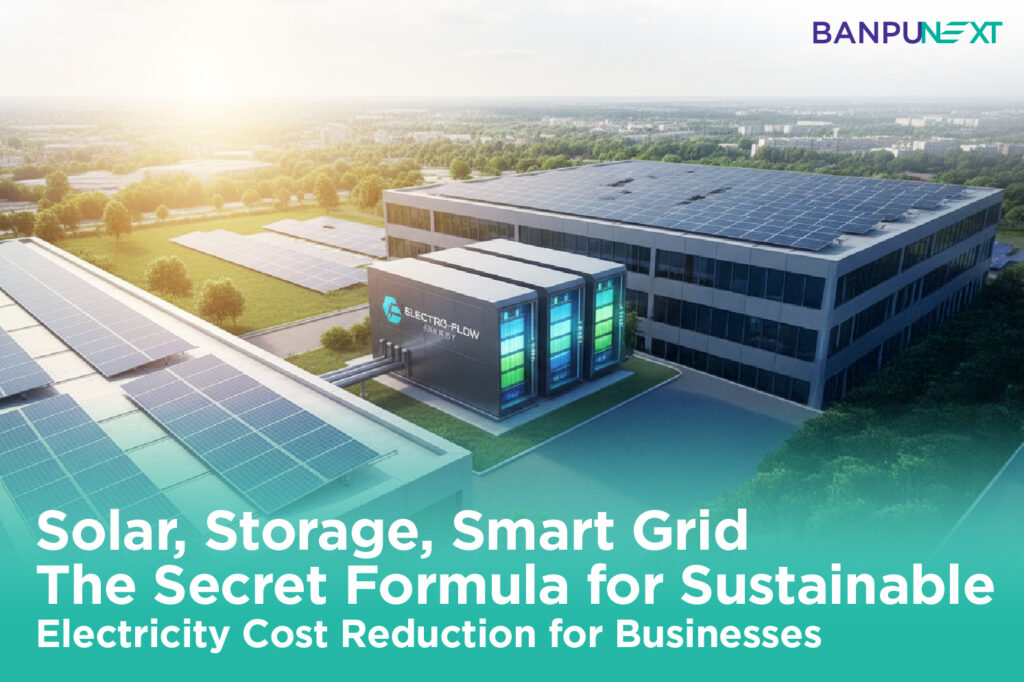
- Consider installing Solar Rooftop + Battery (ESS) – to reduce reliance on the grid and strengthen the building’s energy stability.
Benefits for Your Organization
Consistently following energy-saving checklists not only reduces costs but also creates positive impacts across multiple dimensions of the organization.
1.Significantly Lower Monthly Electricity Bills
Adjusting behaviors and equipment according to the checklists can reduce energy consumption by 15–30%, translating into monthly savings ranging from 10,000 to 100,000 baht—depending on building size and historical energy usage. These savings can then be reinvested into other high-value organizational projects.
2.Foster an Environmentally Conscious Workplace Culture
Energy-saving checklists help build awareness among all employees. When staff see that the organization prioritizes sustainability, they are more likely to participate and develop environmentally friendly habits at work and in their daily lives. This culture also enhances the organization’s reputation in the eyes of customers and business partners.
3.Support Net Zero Goals and Meet ESG Standards
Energy conservation is a crucial first step in reducing greenhouse gas emissions, leading the way to Net Zero targets. Having clear checklists and implementing them consistently demonstrates the organization’s commitment to sustainability. This aligns with key ESG (Environmental, Social, and Governance) criteria, which investors and stakeholders increasingly prioritize.
Banpu NEXT: Net Zero Solutions to Make Your Offices, Buildings, and Factories Smarter and More Sustainable
Banpu NEXT is a leading Net Zero Solutions provider in the Asia-Pacific, ready to help your organization advance toward sustainability tangibly and measurably.
- Start with complete calculation, planning, and reporting – from Carbon Footprint assessment and Net Zero strategy planning to designing the right carbon-reduction pathway and preparing Sustainability Reports that meet international standards.
- Smart Chiller Systems – enhance cooling efficiency and reduce energy costs; ideal for buildings with electricity bills exceeding 1,000,000 THB per month.
- Solar Rooftop / Solar Carport – generate clean energy within your building’s premises.
- Digital Platforms – monitor energy production and consumption in real time.
Ready to Start a Sustainable Energy-Saving Checklist?
Saving electricity is not difficult; begin with small, daily checklist habits, and you will see tangible results in both cost reduction and long-term organizational sustainability.
Banpu NEXT is ready to be your partner in elevating your office or building to become smarter, more energy-efficient, and fully aligned with your Net Zero goals through comprehensive solutions tailored to your business needs.
Begin Your Journey Toward Net Zero Today!
Contact us for consultation